Lesson 7 of 10 · Chapter 7
How to Have a Great Argument
Disagreeing doesn’t have to mean fighting. In this lesson you learn the three skills of a great argument: listening for what people are protecting, explaining clearly with point, proof and plan, and solving problems without shouting.
Choose how you want to learn
You can change this any time. Press Listen on any part to hear it read aloud. Grown-ups: read along with younger children.
- 1 · A solve-it argument
- 2 · Listen first
- 3 · Point, proof, plan
- 4 · Make it clear
- 5 · Without shouting
- 6 · The whole chapter
- 7 · Try it at home
- 8 · Your card
- 9 · Check yourself
Part 1
A solve-it argument
There are two kinds of arguments.
A fight-argument is about winning and hurting. A solve-it argument is about fixing a problem together.
Disagreeing is not bad. It often means the problem matters to people.
Maya didn’t want an argument; she wanted the library open. But Jordan explained that sometimes the only way to get there is through a good argument.
At the meeting, everyone was protecting something they cared about: money, safety, roads, schools. That is why budget talks get heated.
A great argument has three skills: listening, explaining clearly, and solving problems without shouting. This lesson teaches all three.
“Not a fight-argument. A solve-it argument.”
“Disagreeing is not automatically a sign of badness. Sometimes it’s a sign that the problem matters.”
Part 2
Listen first
Listening is not just being quiet. It is trying to understand.
Don’t plan your comeback while someone is talking.
Say back what you heard: “So you’re worried about… Is that right?”
Three listening rules. One: stay in “receive mode,” not waiting to pounce. Two: repeat what you heard in a fair way, so they can say yes or no. Three: separate the person from the idea: not “You’re selfish,” but “I disagree with that plan.”
Someone who says “Don’t raise taxes” may love the library. They might be worried about paying rent. Listen for what they are protecting.
At lunch, Trevor said the library was a waste. Maya didn’t snap. She repeated his worry back, Jordan asked if his dad knew about the staffing problem, and they offered facts. Nobody won, nobody got crushed, and Trevor left thinking.
“You don’t just hear the conclusion. You listen for the reason underneath it.”
“Listen for what they’re protecting.”
“Respect is easiest when you already agree. It’s hardest when you don’t.”
The person or the idea? Tap whether each sentence attacks the person or talks about the idea. Get all seven to finish.
Part 3
Point, proof, plan
When you explain your idea, use three parts.
Point: what you want. Proof: the facts. Plan: what you are asking leaders to do.
Clear means someone could repeat your idea after hearing it once.
Maya’s point: the library open later for students. Her proof: it closes at 3:00 on weekdays, and the librarian, Ms. Patel, said a couple dozen students often come after school and that staffing is the challenge. Her plan: discuss later hours in the budget, with a trial of two weekdays.
Proof must be accurate. Maya said “The librarian told us staffing is the challenge” because that is exactly what she knew, without blaming anyone.
Make the plan impossible to miss: start a sentence with “I’m asking you to…”
“Clear means someone else can repeat your idea correctly after you say it once.”
“Clear ideas also have to be accurate ideas.”
“Specific is powerful.”
Point, proof or plan? Sort each sentence from Maya’s message. Get all six to finish.
Part 4
Make it clear
Pick your one best reason. Don’t hide it under lots of other reasons.
Say exact times and details: “open until 5:00,” not just “open later.”
Don’t use villain words like “leaders don’t care.”
The one reason rule: Maya’s anchor reason was homework, because some kids need a quiet place to work. Other reasons only belong if they support it. Talking about potholes and park swings would blur the message.
Words like later, enough, fair and waste mean different things to different people, so define your words.
When someone disagrees, start with “I understand” and return to your point. Maya timed her message: one minute, twenty seconds. Clear, specific, respectful, and still sounding like herself.
“Clear arguments are like flashlights. They shine on one thing.”
“Clear doesn’t mean boring. It means organized.”
Part 5
Solve it without shouting
Shouting doesn’t add facts. It mostly makes people stop listening.
Notice your warning lights: a hot face, a tight chest, a fast brain.
Then pause. Take one breath before you answer.
Six calm tools: pause; lower your volume on purpose; use I statements (“I’m worried because…”); ask a question instead of throwing a punch; name the goal (“I’m not here to blame anyone”); and find common ground: most people want kids safe and money not wasted.
Be willing to adjust the plan, not your values: if the town can’t fund five days, ask for two as a start. Progress, not perfection, like Lesson 5.
When Jordan pretended to shout, “This library is a waste!”, Maya paused, lowered her voice, named her worry, and asked a question. She didn’t sound weak. She sounded prepared.
“Shouting mostly makes people stop listening.”
“Calm was like aiming.”
“Be the calm you want to hear.”
Calmer or louder? Decide what each reply does to an argument. Get all seven to finish.
Part 6
Read the whole chapter
Here is all of Chapter 7, “How to Have a Great Argument”, exactly as the book tells it. Press Listen to hear it read aloud, or open it and read along.
Open Chapter 7 (about 28 minutes to read)
Part 7
Try it at home
Do these with your family. Tick each one when it is done.
Part 8
Your “My Great Argument” card
Fill it in, then print it for the fridge. Nothing you type here leaves this device.
My Great Argument
Global Sovereign University · Civic Literacy for Kids, lesson 7
When it gets heated
- Pause. One breath.
- Lower your voice.
- Say back what you heard.
- Use an I statement.
- Ask a question.
- Name the goal.
Part 9
Check yourself
7 questions. Pick an answer. If it is not right, read the hint and try again.
Lesson 7 complete.
You can listen for what people are protecting, explain an idea with point, proof and plan, and stay calm when an argument heats up. Next: Lesson 8, The Rules of the Land, is being built.
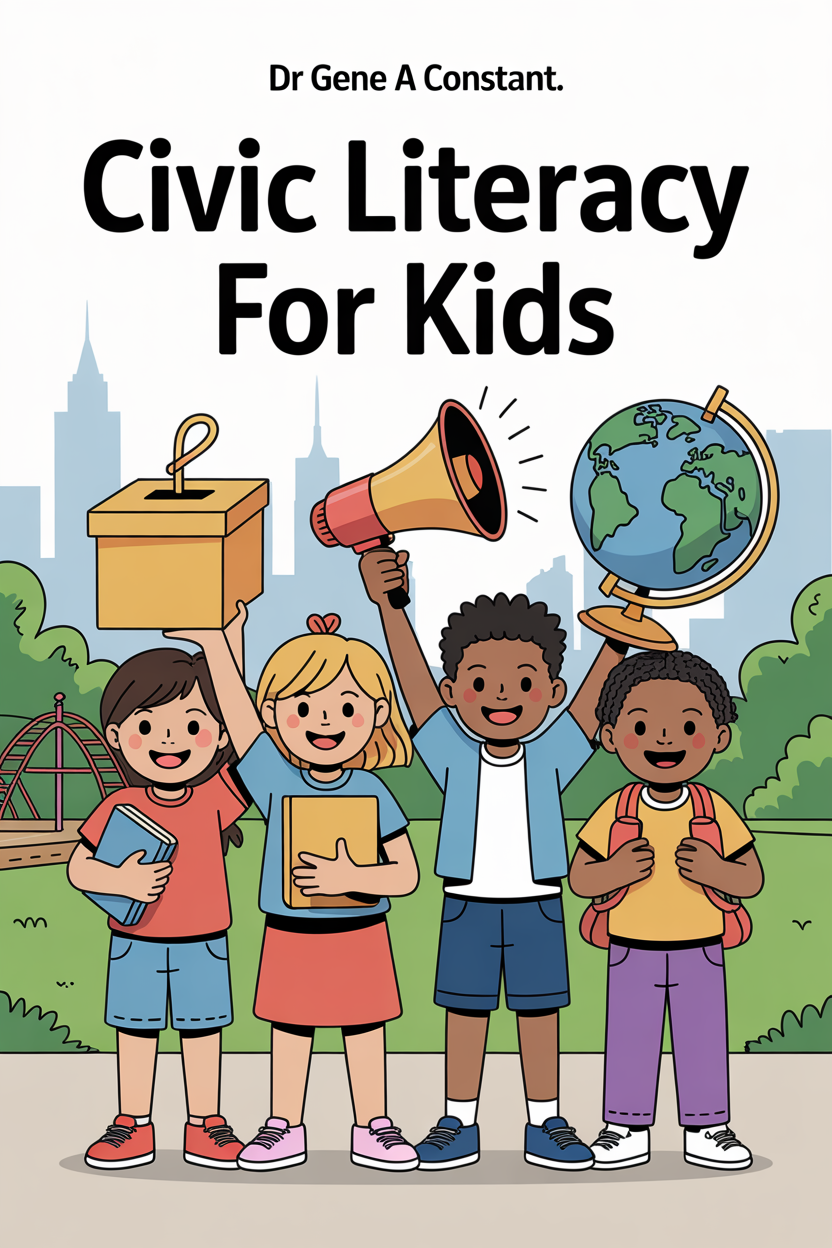
Civic Literacy for Kids by Dr. Gene A Constant. This lesson is chapter 7, and the whole chapter is on this page.
Keep a copy — it funds a free seat
GSU is a 501(c)(3) nonprofit and book sales are its only income. A purchase is not a tax-deductible donation. This lesson is free and always will be.