Lesson 7 of 12 · Chapter 7
Heating: Gas and Electric Furnaces
A gas furnace is a carefully staged combustion machine that keeps asking whether it is safe to light, safe to keep burning, and safe to keep pushing air through the heat exchanger. Electric heat is simpler, but not casual. Both reward the technician who traces the sequence and respects the safeties.
Step one
Read the material
Five ideas. Two on gas: the sequence and the safety that sits behind it. Two on electric: capacity in kilowatts and how to find missing heat. And one on maintenance and troubleshooting, which the chapter calls the same thing done under pressure.
Idea one
The ignition sequence
The gas valve does not open because the thermostat wants heat. The board is the gatekeeper. On a call for heat the inducer starts first and establishes draft; a pressure switch senses that change and closes, proving the vent path is open. Only then does the board energize the ignitor, and only then does it open the gas valve.
The very next step is flame proving. A flame sensor sits in the burner flame, and the flame acts like a diode, letting a tiny DC microamp signal reach the board. If the board does not sense it within a few seconds, it closes the gas valve. No proof of flame, no fuel flow.
With the flame proven, the blower starts after a timed delay so it does not blast cold air, and after the call ends it runs through an off-delay to pull the last heat out of the exchanger.
Idea two
Combustion safety and the boundary
The heat exchanger is the boundary between combustion and the air your customer breathes. If airflow is low, from a dirty filter, a blocked return or undersized ducts, the exchanger overheats and a limit switch opens. That is why “it starts and then shuts off” is so often an airflow problem rather than a gas problem. The furnace is not being picky. It is protecting metal that can crack.
Keep the flame stable, the exhaust moving outdoors and the exchanger intact. Tight homes with powerful exhaust fans can depressurize enough to pull flue gases back into the room, and blocked, sagging or deteriorated vents interrupt draft. Headaches when the heat runs, an exhaust smell, soot, or flames that roll out deserve immediate attention. Use a calibrated combustion analyzer and a CO meter, and if levels are unsafe, stop and make it safe first.
And never get it running by defeating a safety. Jumping a pressure switch, taping down a rollout switch, or defeating a limit switch turns a protective system into a hazard you created.
Idea three
Electric heat in kilowatts
Resistive heat converts current straight into heat, so resistive electric heat is essentially 100 percent efficient at the point of use. That is a selling point and a trap. Customers usually mean cost per delivered BTU, and electricity can cost more per unit of heat than gas. The equipment can work perfectly and still cause sticker shock: that is economics, not a failure.
Think in kilowatts. 1 kW equals about 3,412 BTU per hour, so a 10 kW kit gives roughly 34,120 BTU per hour and a 15 kW kit roughly 51,180 BTU per hour. If the house needs more on a cold day, the system runs continuously and falls behind, just like an undersized air conditioner.
Heat pumps change the picture: they can deliver more heat than the electricity they use because they move heat instead of making it, so their strips are meant to assist. When a thermostat is misconfigured or the heat pump is locked out, the strips carry the house, and the complaint becomes “the heat works but the bill is insane.”
Idea four
Electric heat troubleshooting
Airflow is the non-negotiable partner of electric elements. The elements heat intensely in one spot; without enough air the compartment overheats and the limits open, and the customer hears “it starts warm and then blows cold.” Measure static pressure before you reset anything.
Elements come on in stages through sequencers or relays, so use lesson five’s three questions: is the call present, did the switching happen, and is power reaching the load? Heat strips often have their own breakers, which makes “blower runs, no heat” a classic call: the high-current heating circuit went away while the control circuit stayed on.
Amp draw is your reality check. Watts divided by volts: a 5 kW element bank should draw roughly 21 amps at 240 volts. If a 10 kW kit is drawing like a 5 kW kit, you are missing half your heat, and the building will fall behind however long the blower runs.
Idea five
Maintenance, and finding the first missing step
Maintenance is the same story done on purpose. Ask targeted questions, then watch a complete heat call in order. Check filters and static pressure, clean the blower wheel, inspect burners and the ignitor, and clean the flame sensor: a dirty flame sensor is one of the most common causes of “lights then shuts off.” On condensing furnaces, sagging vent pipe or a blocked condensate trap can look exactly like a bad pressure switch.
Troubleshooting is maintenance under pressure: identify the first step that does not happen. No inducer means power, board output or motor. Inducer but no pressure switch means venting, condensate or the switch circuit. Ignitor glows but no flame means gas supply and the valve. Flame lights then drops out means flame sensing or grounding. Shutdown on limit means airflow. Temperature rise against the nameplate range is a quick consistency check: too high points to low airflow or overfiring.
Finally, prove repeatability: at least one full cycle, a clean shutdown, and an explanation the customer can understand.
Step two
Work it with your hands on it
The Heat Strip bench. Pick the kit size, set the current you measured with every stage called, and set the house’s heating load. The bench does the chapter’s arithmetic and tells you how much heat is really being delivered. Its verdict uses one rule of its own, not the chapter’s: a reading more than half a 5 kW stage away from expected counts as a missing stage or an overdraw.
Heat kit size
Hands on it, off the screen. If you have a heat pump or electric furnace, find the heat kit label inside the air handler door (do not open anything live) and read its kW. Multiply by 3,412 to see its heat in BTU per hour.
If you have a gas furnace, look through its sight glass during a heat call and watch the order: the inducer hums first, then the glow or click of ignition, then the flame, then the blower a little later.
Step three
Prove you understood it
One question per idea, a new situation every time. Miss one and you are sent back to the idea it was testing.
All five solid.
You can narrate a gas ignition sequence, treat combustion warning signs as safety first, convert kilowatts to BTU per hour, use amps to find missing electric heat, and find the first step that does not happen. Next: back to the class for lesson eight.
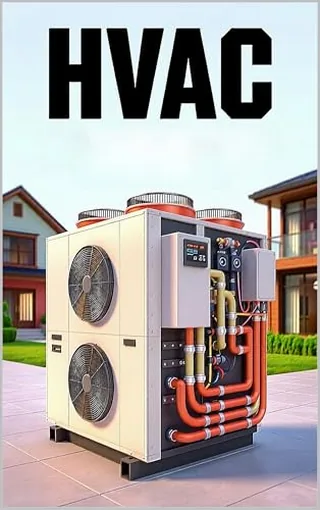
The HVAC Apprentice’s Field Guide
Lesson seven of twelve, from chapter seven. Written by our founder, Dr. Gene A Constant, and donated to the Foundation. Published by Global Sovereign University Press.
Buy a copy — it funds a free seatGSU is a 501(c)(3) nonprofit and book sales are its only income. A purchase is not a tax-deductible donation. This lesson is free and always will be.